If you need to sell your Bull Mountain home and buy your next one at the same time, the biggest challenge usually is not finding a buyer or picking a property. It is getting the timing right without creating extra stress or giving up leverage. With a clear plan, you can protect your equity, stay flexible, and make better decisions at each step. Let’s dive in.
Why timing matters in Bull Mountain
Bull Mountain sits in southeastern Washington County, about 10 miles southwest of Portland. Washington County describes the area as a steep-sloped, flat-topped landform, and parts of the community include unincorporated land with development reviewed under the county’s Community Development Code. For you, that means a move can involve property-specific details and, in some cases, more than one jurisdiction.
That local context matters because there is no one-size-fits-all calendar for selling and buying here. Your ideal timeline depends on your home, your next purchase, and how much flexibility you have with possession and moving dates. A smart plan starts with the facts on your property, not a generic checklist.
What the local market means for your move
Recent Bull Mountain market data point to a moderate pace. Over the three months ending April 2026, the median sale price was $622,928, homes averaged 36 days on market, and some homes received multiple offers. Redfin also notes that hot homes can go pending in about 14 days.
That creates an important middle ground. The market is not crawling, but it is not so slow that you can assume every timing option will work easily. If your next home is especially well-priced or highly desirable, you may need to move quickly while still keeping your current sale on track.
Statewide inventory also adds context. Oregon REALTORS reported 4.29 months of inventory in December 2025, which sits below the six-month benchmark often used for a balanced market. In practical terms, that supports careful planning if you are trying to line up both sides of the move.
Start with Oregon’s written agreement rules
In Oregon, the paperwork structure matters early. Effective January 1, 2025, a broker representing a buyer in a residential transaction involving land or one to four units must enter into a written buyer representation agreement before, or as soon as possible after, beginning to assist the buyer. Sellers also need a written listing agreement before a property is offered for sale.
The Oregon Real Estate Agency also states that a contract for the sale of real property must be in writing. If accepted terms need to change, both parties must sign an addendum. When you are coordinating a sale and purchase together, that is one more reason to map out your strategy early instead of trying to improvise mid-transaction.
Listing first is often the clearest path
For many Bull Mountain homeowners, listing first is the simplest way to manage risk. It gives you a clearer picture of your likely sale price, your net proceeds, and your actual closing timeline. That can make your next purchase feel much less like a guess.
This matters because many repeat buyers use proceeds from their current home to help finance the next one. In the 2025 Profile of Home Buyers and Sellers, 54% of repeat buyers used proceeds from a previous home to help with their purchase. The same report found a median down payment of 23% for repeat buyers, which shows how often equity plays a central role.
When you list first, you usually gain three practical advantages:
- You can price and prepare your home with a clear launch plan
- You can estimate your available cash with more confidence
- You can write on your next home with stronger timing and fewer unknowns
This approach is not right for every household, but it is often the most stable starting point when your current home needs to fund the next move.
Buying first can work, but flexibility matters
Some homeowners prefer to buy first so they can move once. That can work if you have enough cash reserves or financing flexibility to carry both homes for a period of time. It can also reduce the pressure of having to find a replacement property on a tight deadline.
Still, Bull Mountain’s market conditions can make this trickier on the most sought-after listings. Because some homes receive multiple offers and hot homes may go pending in about two weeks, a sale-contingent offer may be less competitive in those situations. Oregon forms do allow a sale-of-buyer-property contingency, but Oregon REALTORS notes that if a contingency fails, the contract often terminates.
If you are thinking about buying first, it helps to be realistic about two things:
- How much risk you are comfortable carrying
- Whether your target homes are likely to attract fast interest
Tools that can help bridge the gap
Even with careful planning, sale and purchase dates do not always line up perfectly. The good news is that Oregon transactions offer a few tools that can help you stay flexible without forcing a rushed decision.
Sale contingencies
A sale-of-buyer-property contingency can protect you if you need your current home to sell before you fully commit to the next purchase. This can be useful when your equity is a key part of the plan. The tradeoff is that it may weaken your position on faster-moving listings.
Backup offers
If the home you want is already under contract, a backup offer may keep you in the running. Oregon REALTORS states that a backup buyer is not legally bound until the higher-priority contract is terminated or revoked. That can be a practical way to stay ready without overcommitting too early.
Occupancy agreements
Sometimes the issue is not closing, but possession. Oregon REALTORS guidance notes that if closing and possession need to be split, the parties may use a Seller Occupancy Agreement or Buyer Pre-Closing Occupancy Agreement. For occupancy periods of 90 days or less, that guidance says the arrangement is not subject to Oregon landlord-tenant law.
That can be very helpful if your sale closes before your next home is ready, or if you need extra time after closing to complete your move.
Temporary housing
When dates simply do not align, temporary housing can be the cleanest fallback. It is not always the most convenient option, but it can keep you from accepting weaker terms, underpricing your home, or rushing into a purchase that is not the right fit.
Pre-listing prep can ease the timing pressure
A smoother move often starts before your home ever hits the market. The better prepared your home is, the easier it can be to launch confidently and respond when buyer interest comes in. That matters even more when your next purchase depends on your sale.
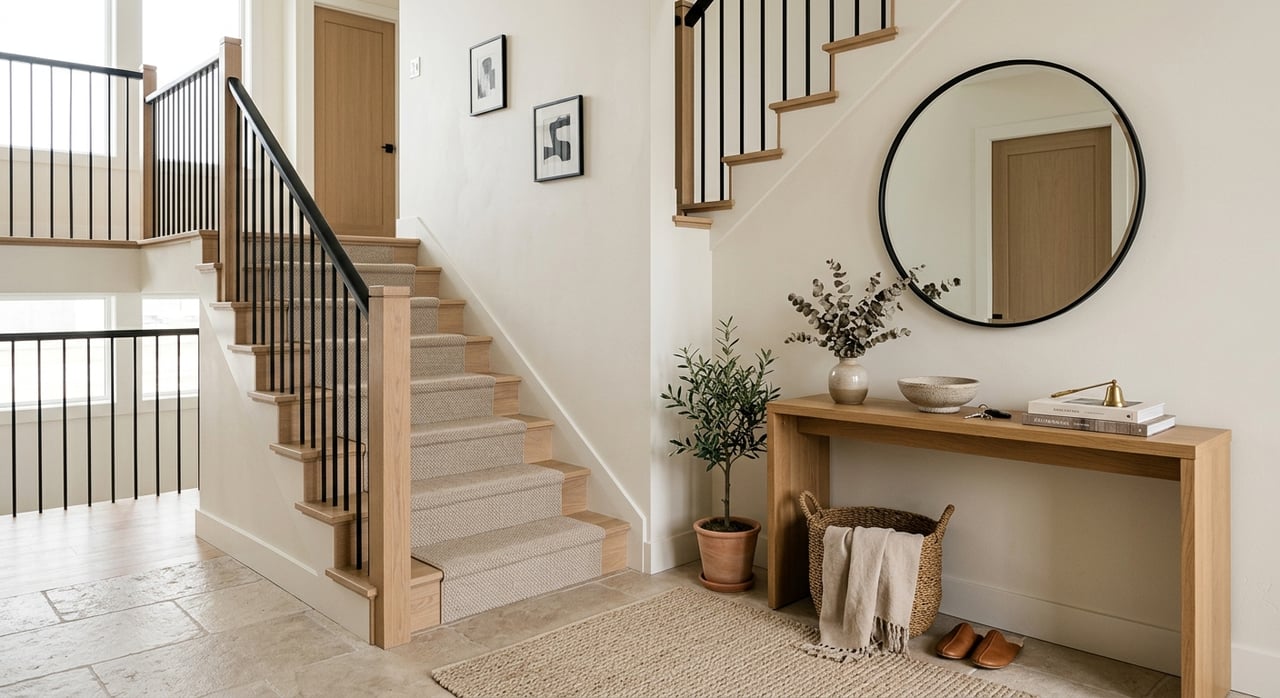
Staging is one example. In NAR’s 2025 staging survey, 83% of buyers’ agents said staging made it easier for buyers to picture the home as their future residence. The same survey found that 49% of sellers’ agents said staging reduced time on market, and 29% said it increased the dollar value offered by 1% to 10%.
If you are deciding where to focus first, the most commonly staged rooms were:
- Living room
- Primary bedroom
- Dining room
- Kitchen
For many Bull Mountain sellers, those spaces are the best place to start. Thoughtful presentation can support both your pricing strategy and your timeline.
Plan for costs beyond the sale price
When you are coordinating two transactions, the numbers matter just as much as the dates. Oregon REALTORS’ Seller Advisory says sellers should anticipate moving expenses, mortgage payoff, closing costs, possible seller-paid repairs, and possible seller concessions. Those items all affect what you can comfortably spend on your next home.
The same advisory also notes that professional inspections are common and lenders may require repairs in some transactions. That is why the strongest plan usually includes a cushion for the unexpected. It is also why offer review is rarely just about headline price.
Buyer strength matters too. Oregon REALTORS explains that buyers often seek pre-approval letters showing the lender reviewed credit, income, and cash to close. If you are selling and buying, that same principle applies on both sides of the move: clean terms and strong preparation can matter as much as price.
Bull Mountain-specific prep considerations
Because Bull Mountain includes steep slopes, site condition can deserve closer attention than it might in flatter areas. Washington County’s landform description supports that reminder, especially as you think about curb appeal, maintenance, and inspection readiness. Exterior details may carry more weight than sellers expect.
Before listing, it may help to give extra attention to:
- Drainage around the home
- Exterior maintenance items
- Landscaping that affects access or presentation
- Areas a buyer or inspector may view as deferred upkeep
This does not mean every home will have slope-related issues. It simply means your preparation should reflect the realities of the property, not a generic playbook.
A practical sequence for your next move
If you want the simplest framework, start with a plan that gives you clarity before you commit too far on the purchase side. In many cases, that means preparing the home for market first, listing with a strong pricing and presentation strategy, and then shopping for the next home with real numbers and dates in hand.
A practical sequence often looks like this:
- Review your goals, timing needs, and budget range
- Prepare the home for market with focus on key living spaces and visible maintenance
- List with a written agreement and a clear pricing strategy
- Evaluate offers based on price, timing, buyer strength, and contingencies
- Begin or intensify your home search once your sale timeline becomes clearer
- Use contingencies, backup offers, occupancy agreements, or temporary housing if needed
The right version of this plan depends on your priorities. If your main goal is maximizing certainty, listing first often makes sense. If your main goal is minimizing moves, buying first may still be workable with the right financial flexibility.
Coordinating a Bull Mountain sale and next purchase is rarely about finding a perfect timeline. It is about building enough structure and flexibility that you can make strong decisions as the market responds. If you want a calm, strategic plan for both sides of your move, Julie Williams can help you map out the details and move forward with confidence.
FAQs
How much overlap should I plan for when selling and buying in Bull Mountain?
- It is wise to plan for some flexibility rather than assuming a same-day move-out, since local market timing and the ability to separate closing from possession can create a small overlap.
Can I make an offer contingent on selling my Bull Mountain home first?
- Yes. Oregon forms allow a sale-of-buyer-property contingency, but it may make your offer less competitive on faster-moving listings.
Should I stage my Bull Mountain home before listing it?
- The available data suggest staging can help buyers picture the home more easily and may reduce time on market, especially in the living room, primary bedroom, dining room, and kitchen.
What can I do if my sale and purchase dates do not line up?
- Common options include a backup offer, an occupancy agreement that separates closing from possession, or a temporary housing plan.
Why does Bull Mountain property condition matter when planning a sale?
- Because Bull Mountain includes steep slopes, exterior maintenance, drainage, landscaping, and other site-related details may deserve added attention during prep and inspection readiness.