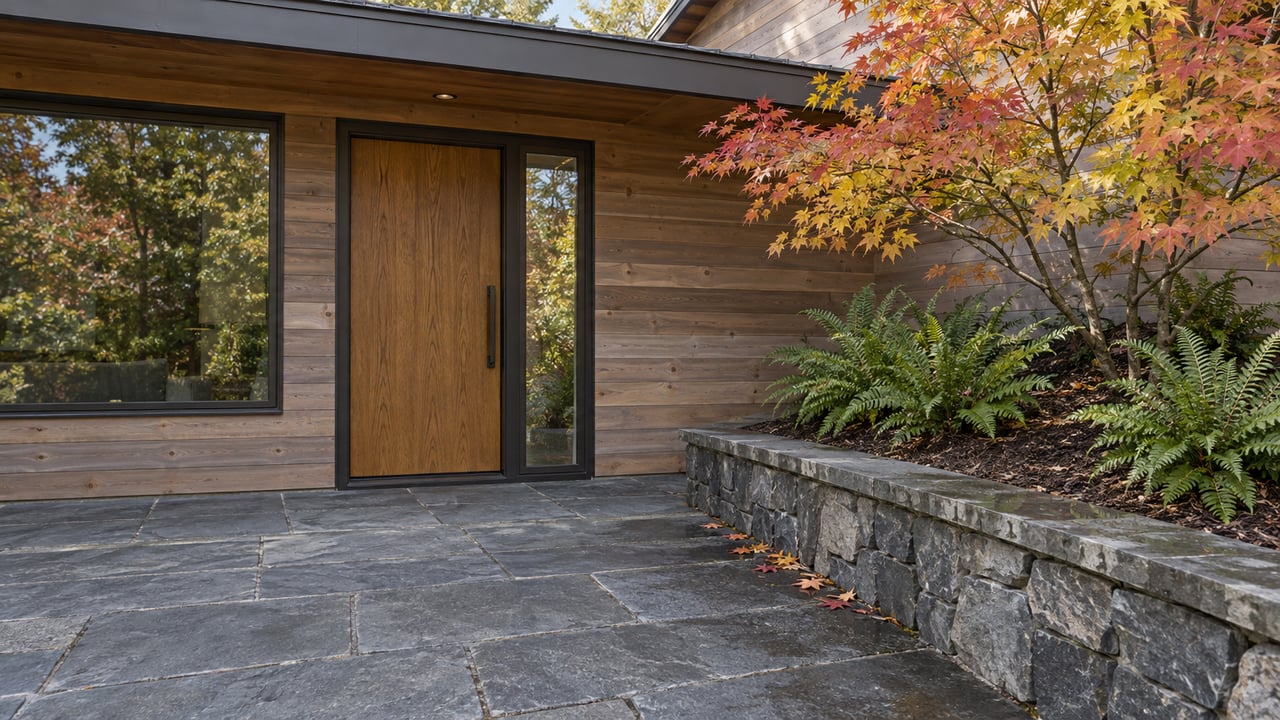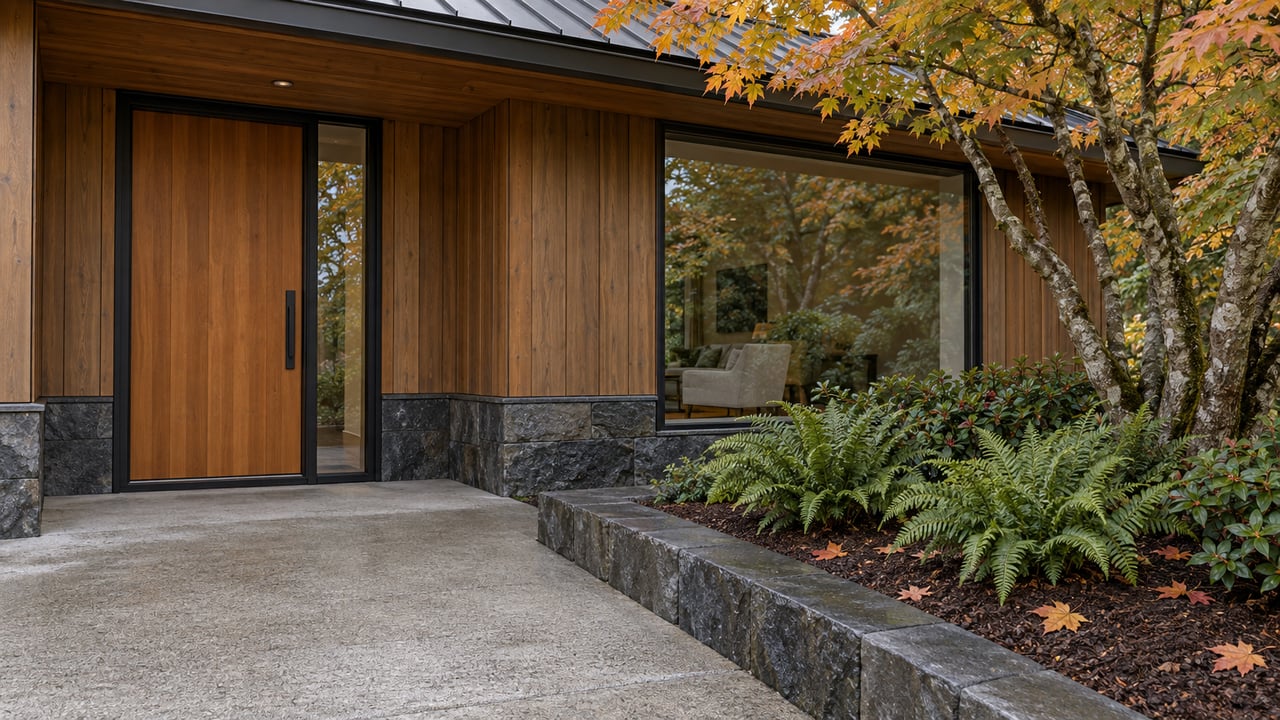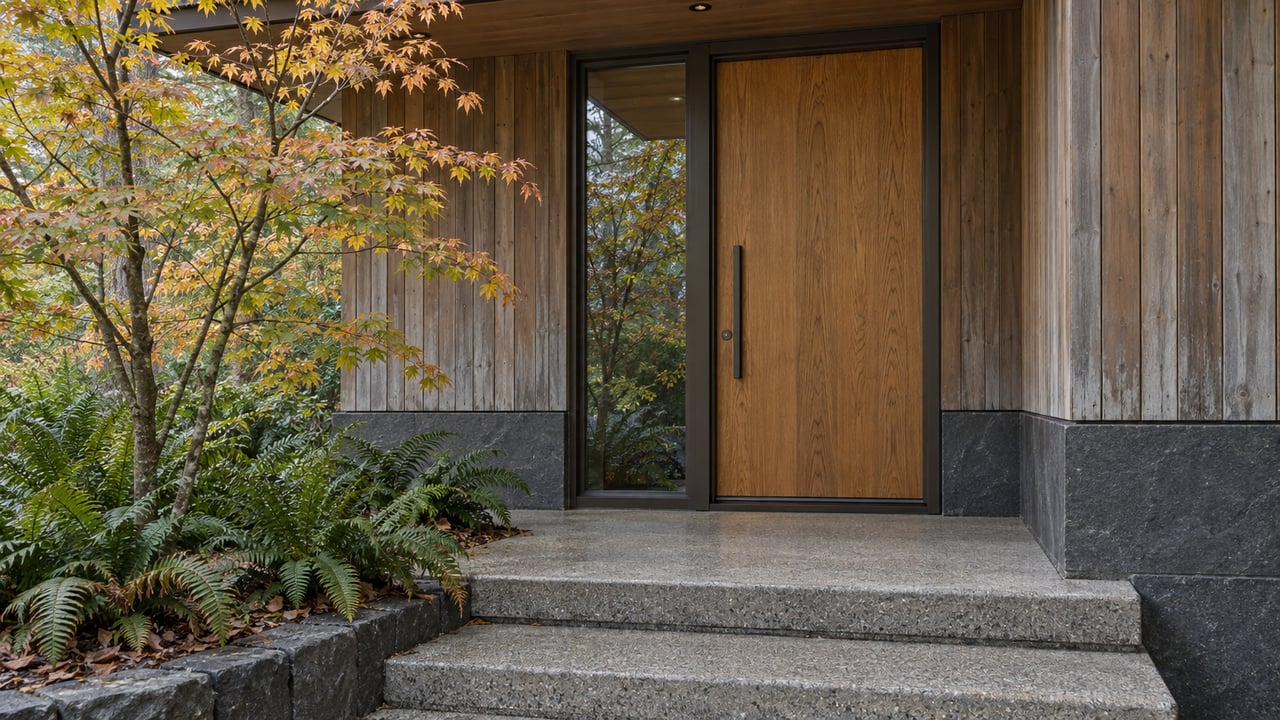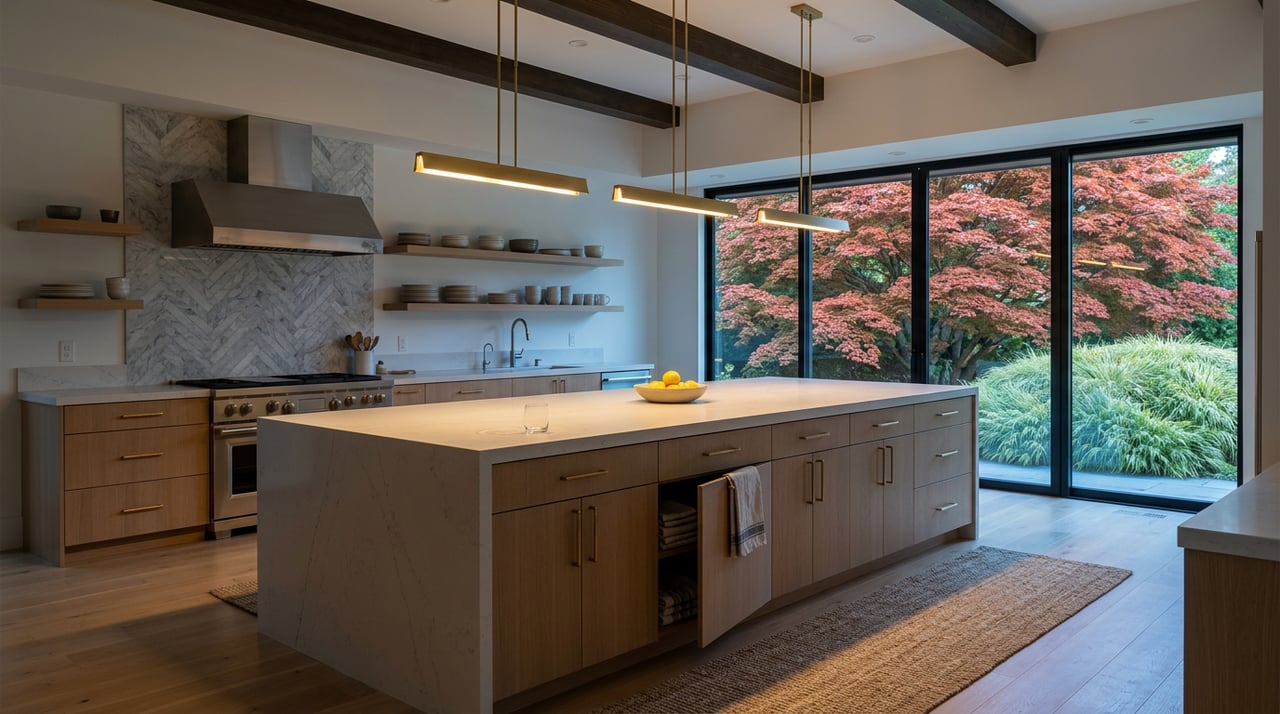
If you are getting ready to sell in Forest Heights, one question matters more than almost any other: how do you price your home so it stands out without leaving money on the table? In a neighborhood where home types, lot settings, and price points can vary widely, a smart launch matters. When you understand how buyers compare homes in Northwest Heights and the West Hills, you can position your property more clearly and sell with more confidence. Let’s dive in.
Forest Heights Pricing Starts With the Right Market Lens
Forest Heights is best understood as part of the broader West Hills and Northwest Heights micro-market. Portland identifies Northwest Heights as a West Hills neighborhood near downtown Portland and the Sunset Corridor, and Forest Heights Park is included within that area. That overlap matters because buyers often search and compare across nearby west-side neighborhoods, not just within one subdivision or street.
This is also a market where many buyers are likely to evaluate condition and value carefully. City data for Northwest Heights shows a median household income of $163,000, an owner-occupancy rate of 84%, and a highly educated population. In practical terms, that means buyers are often paying close attention to updates, presentation, and whether a home feels worth its asking price.
Today’s Market Rewards Precision
The broader Portland metro market looked fairly balanced in April 2026, with 3.1 months of inventory, 6,173 active listings, a median sale price of $550,000, and total market time of 63 days. Forest Heights reflects that more measured pace. Current local data shows about 75 active homes, a median listing price of $874,800, and about 58 days on market, with homes selling for approximately asking on average in March 2026.
That kind of market usually does not reward casual overpricing. Buyers have options, and they can compare your home against similar listings across Forest Heights, Northwest Heights, Southwest Hills, Forest Park, and other nearby west-side areas. If your home launches too high, it can lose momentum while better-positioned listings get the early attention.
Why “Price High and Negotiate Down” Can Backfire
It is tempting to test the market with a higher number and hope a buyer meets you there. In Forest Heights, the recent data suggests that strategy can work against you more often than it helps. Homes are generally taking close to two months to sell, and the market is balanced rather than rushed.
When buyers see a listing sit, they often start asking why. They may assume the home is overpriced, has condition issues, or will need a price reduction later. A stronger strategy is to launch at a price that makes sense for your exact segment and condition from day one.
Segment Matters More Than Neighborhood Average
One of the biggest pricing mistakes in Forest Heights is relying too much on broad neighborhood averages. Recent sold prices show just how wide the range can be. A smaller attached home sold in the mid-$300,000s, while larger detached homes sold from the mid-$600,000s to well over $1 million, with a large luxury property reaching $1.475 million.
That spread tells you something important: your home should be priced against the homes a buyer would actually compare it to. A townhome, a standard single-family home, and a larger luxury property are not competing in the same lane, even if they share a Forest Heights address.
What Buyers Compare in Forest Heights
Square footage matters, but it is only one piece of the story. In this neighborhood, buyers also look closely at product type, condition, updates, lot placement, outlook, and street setting. A home with a similar size can land in a different pricing band if it shows better, lives better, or offers a more appealing setting.
Forest Heights sits in a hillside environment, and that can shape buyer perception more than it would in a flatter area. Elevation, slope, driveway access, how the home sits on the lot, and even exterior upkeep can become part of the value conversation. These details may not create a pricing formula on their own, but they absolutely influence how buyers compare one home to another.
Micro-Location Can Shift Value
Not every Forest Heights home has the same feel, even within a short distance. Some homes may offer stronger outlooks, better privacy, easier access, or a more favorable street presence. Others may face steeper approaches or have a setting that feels less straightforward to buyers during a first showing.
That is why pricing should reflect micro-location, not just the neighborhood name. In a west-side market with a clear price ladder, buyers often compare your home not only to nearby solds, but also to active alternatives in surrounding areas at similar price points.
Positioning Your Home Before It Hits the Market
Once pricing is dialed in, presentation becomes the next big lever. Buyers often search by features such as updated kitchen, modern kitchen, open floor plan, large backyard, wooded land, corner lot, wraparound porch, and no HOA. If your home offers one or more of those benefits, they need to be obvious right away.
That means your first photos, listing copy, and showing experience should work together. The goal is to help buyers quickly understand what makes your home compelling in its price category. Good positioning is not hype. It is clear, thoughtful storytelling backed by the home itself.
Features That Support a Stronger Price
In Forest Heights, the most helpful features to spotlight often include:
- Updated kitchens and baths
- Open, bright interior layouts
- Large windows and strong natural light
- Wooded outlooks or view potential
- Trail or park proximity
- Well-maintained exterior spaces
- Functional driveway access and entry experience
- Clear evidence of ongoing care and maintenance
If your home has a special setting near forested areas or benefits from the neighborhood’s wooded identity, that can strengthen its appeal. Portland’s parks information describes Forest Heights Park as a wooded, sloped setting with a path into a forested area. For buyers drawn to that lifestyle and visual setting, those location benefits can help support a stronger asking range when the home’s condition also delivers.
Documents Buyers Want Early
If your home is part of an HOA, preparation should include gathering key documents before you list. Buyers will likely want to understand dues, rules, and any architectural or exterior compliance details early in the process. Having those materials ready can make your listing feel more organized and reduce delays once offers come in.
It also helps to organize:
- Property disclosures
- Maintenance records
- A list of repairs completed
- A list of updates and approximate dates
- HOA documents, if applicable
This kind of preparation supports pricing because it reduces uncertainty. Buyers are often more comfortable paying full value when the home feels transparent and well cared for.
How to Think About Your Pricing Range
A smart asking price is usually not one magic number pulled from a broad average. It is a range shaped by recent sold homes, current competition, your home’s condition, and its specific place in the neighborhood. In Forest Heights, active listings currently stretch from under $500,000 to more than $2.2 million, which is another reminder that broad market stats only go so far.
When deciding where your home belongs within its range, ask:
- Which recent sold homes would a buyer see as true alternatives?
- Which current active listings will compete with us right now?
- Does the home feel move-in ready, partly updated, or ready for improvement?
- How strong is the lot placement, outlook, and street experience?
- Are we telling the home’s story clearly enough to justify the price?
These questions help keep pricing grounded in buyer behavior, not just seller hopes.
A Better Launch Usually Beats a Later Reduction
The strongest interest often comes early, when a listing is fresh. That is why the initial pricing and presentation plan matters so much. If your home hits the market with the right price, polished visuals, and a clear value story, you have a better chance of attracting serious buyers before the listing starts to feel stale.
A later price reduction can still help, but it is usually a correction, not the ideal strategy. In a balanced market like Forest Heights, the better approach is to enter the market prepared, well-positioned, and realistic about where your home fits.
Selling in Forest Heights Takes Strategy
Forest Heights is not a one-size-fits-all market. The neighborhood includes attached homes, standard detached homes, and larger luxury properties, all with different buyer pools and pricing expectations. Add in hillside setting, wooded surroundings, and micro-location differences, and it becomes clear why pricing and positioning need to be thoughtful from the start.
If you are preparing to sell, the goal is not just to list your home. It is to launch it in a way that makes sense for this specific market, this specific buyer pool, and your specific property. If you want a calm, strategic plan for pricing, presentation, and next steps, schedule a consultation with Julie Williams.
FAQs
How should you price a Forest Heights home to sell?
- Price it against the most similar recent sold homes and current competition in its exact segment, then adjust for condition, lot placement, outlook, and street setting.
Is pricing high a good strategy for a Forest Heights home sale?
- Usually no. Current Forest Heights data points to a balanced market, with homes selling around asking on average and taking about 58 days on market, so overpricing can slow momentum.
Does square footage determine Forest Heights home value?
- No. Square footage matters, but buyers also compare home type, updates, condition, elevation, access, and overall setting.
What features help position a Forest Heights listing?
- Features like updated kitchens, open layouts, strong natural light, wooded outlooks, trail proximity, and clear maintenance history can help buyers understand the home’s value more quickly.
What should you gather before listing a Forest Heights home?
- Start with disclosures, maintenance records, repair and update lists, and HOA documents if the property is governed by an association.