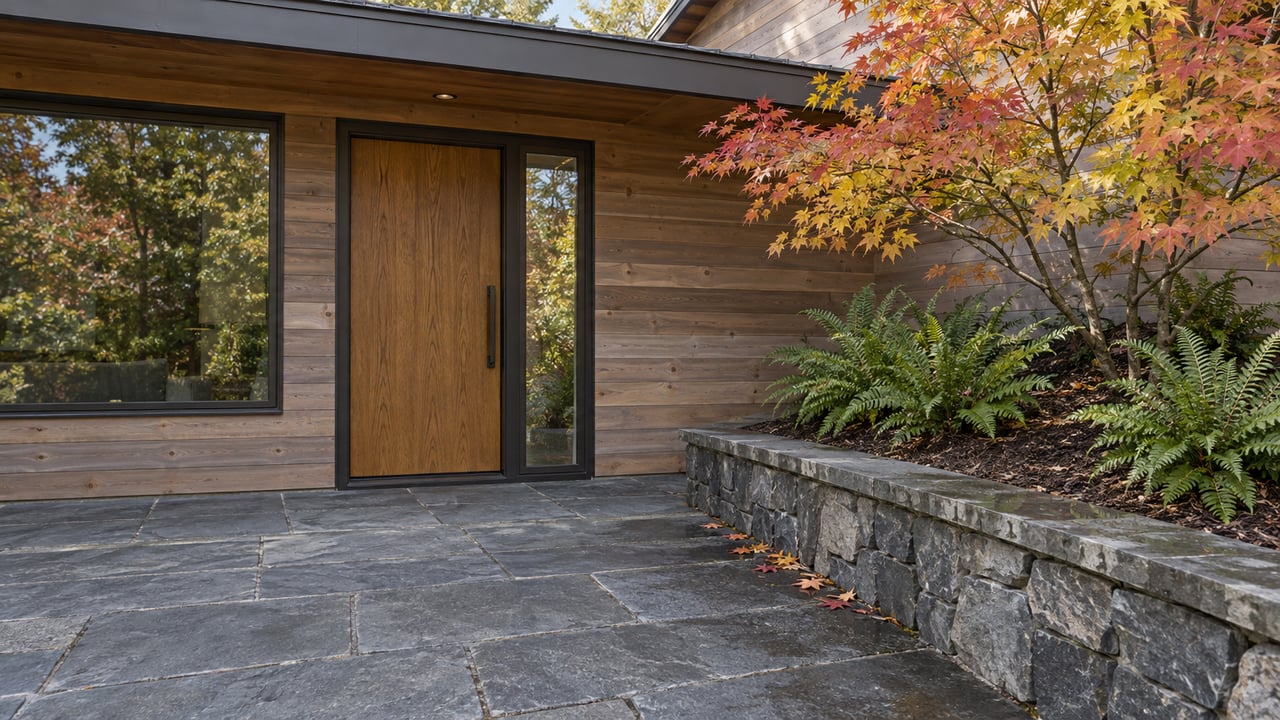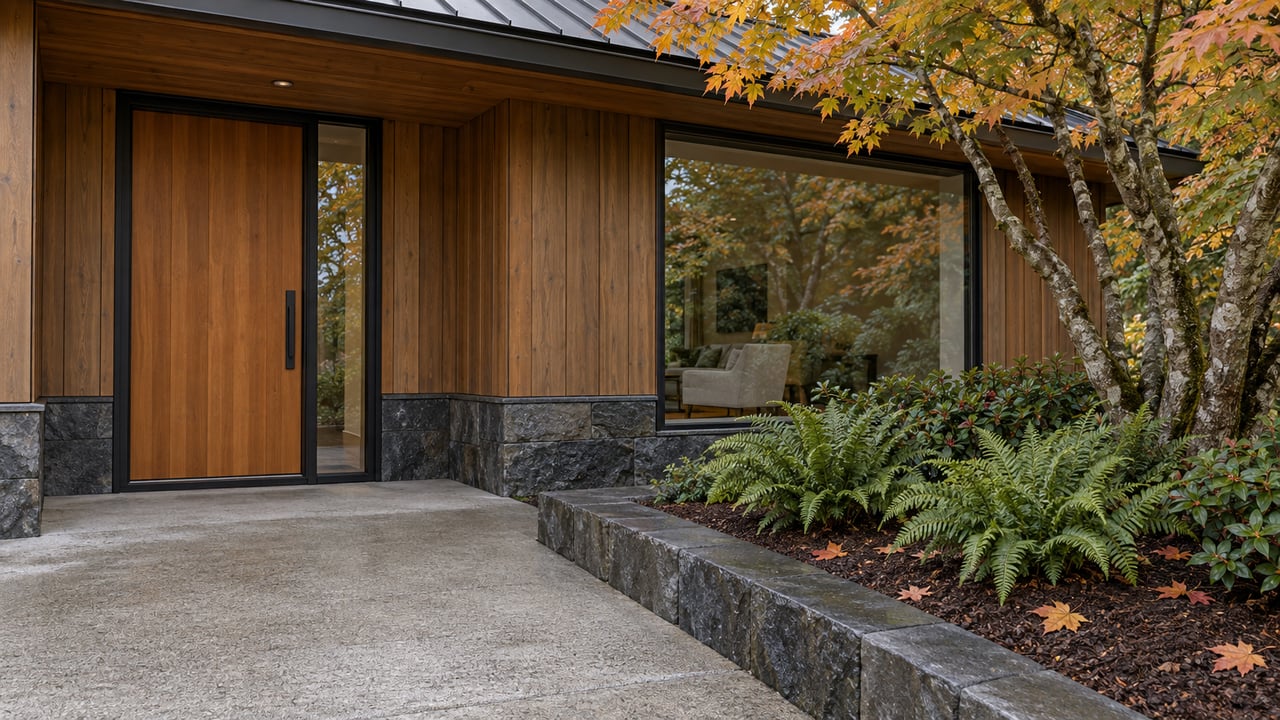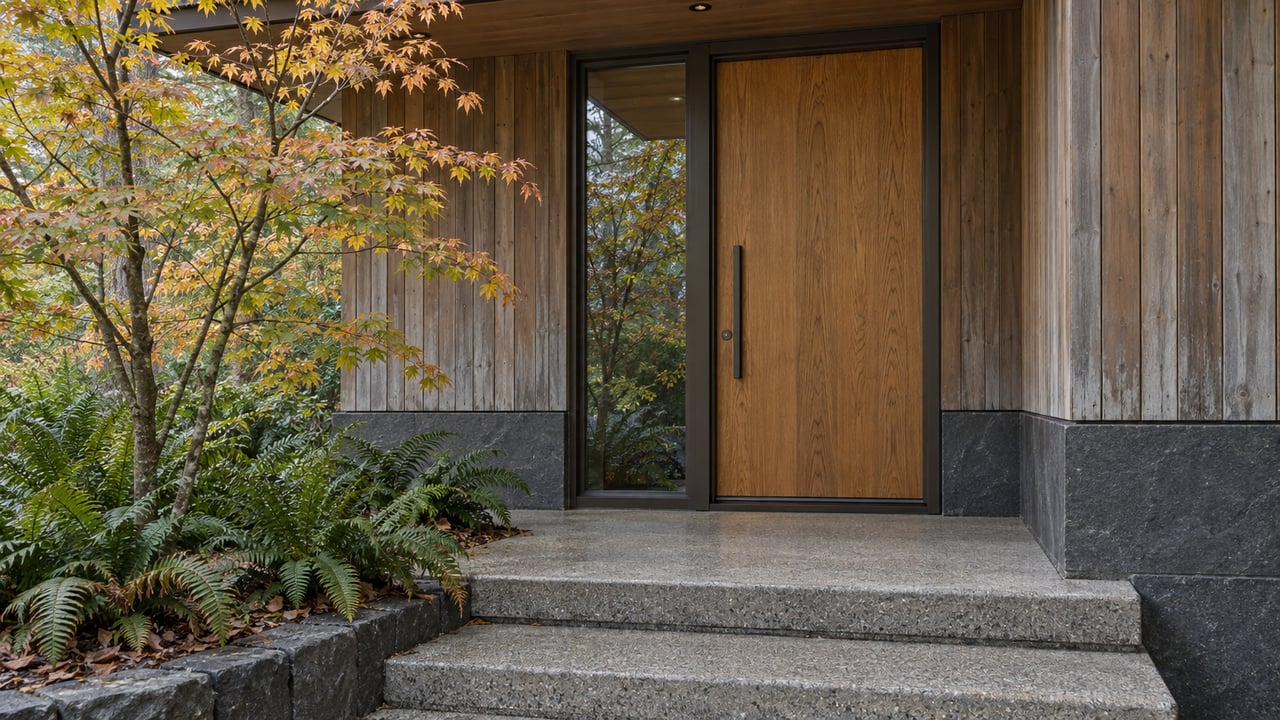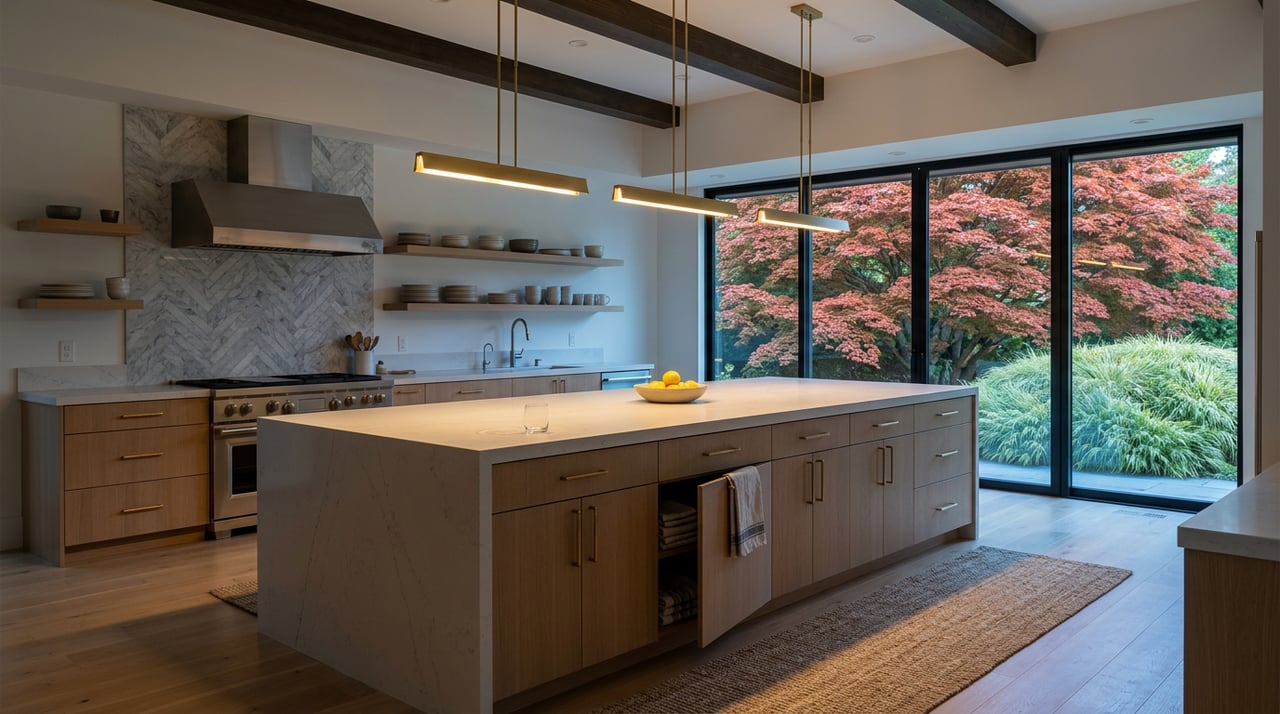
The portal says one number. The closing statement says another. Between them sits a set of structural facts about Forest Heights that a buyer comparing Westside neighborhoods almost never sees before the first showing, and those facts change what a $977,000 median actually means once you sign.
Two buyers can pay identical purchase prices inside the Forest Heights boundary and end up with meaningfully different monthly obligations, different reserve exposure, and different resale stories. The reason is not square footage. It is the shape of the community itself.
The Cost Stack A Listing Page Doesn't Show
Forest Heights is not one homeowners association. It is a master association with 14 sub-associations layered underneath it, and those sub-associations contain 681 attached units of townhomes and condominiums that sit alongside roughly 1,126 detached single-family lots on the same 601-acre master plan. Every owner inside the boundary pays the Forest Heights Homeowners Association assessment. Owners inside a sub-association pay that plus a second set of dues to their own board.
For 2026, the master FHHOA assessment is $449 semi-annually, billed January 1 and July 1, for an annual total of $898. A late charge of $50 attaches to any account 30 days past due, with a 0.75% monthly finance charge on top. That is the floor for every owner in the community. It funds the 215 acres of common area, the six miles of private trails, Mill Pond Park, and the architectural review process that governs exterior changes.
If you buy a detached home on one of the roughly 1,126 single-family lots, that is where your HOA obligation ends. If you buy inside one of the 14 sub-associations, that is where it begins. Sub-association dues are set independently by each condo or townhome board and typically cover exterior maintenance, private drives, master property and general liability insurance, and reserves for roofs, siding, retaining walls, and drainage on shared land. In a hillside community with private roads and stacked terraces, that reserve exposure is not theoretical. Retaining walls, stormwater systems, and paving are the exact line items that trigger special assessments when reserves run thin.
Here is the practical shape of it:
| Ownership type | Master FHHOA (2026) | Sub-association dues | Reserve exposure |
|---|---|---|---|
| Detached single-family lot | $898/year | None | Individual owner only |
| Condo or townhome in a sub-association | $898/year | Set by each of 14 boards | Shared: roofs, siding, private drives, retaining walls |
The information gain here is not the number. It is that two Forest Heights listings at the same price point can produce different monthly outflows and different odds of a mid-ownership special assessment. Before an offer goes in on an attached unit, ask for the sub-association's current budget, its most recent reserve study, the master insurance declarations page including the deductible, and a disclosure of any transfer fee, move-in fee, or one-time capital contribution owed at closing. Those documents are the actual price.
Why "Median" Overstates The Typical Forest Heights Home
The trailing 12-month single-family median for the Forest Heights polygon was $977,000 on 83 sales, at a typical 59 days on market and a 98% list-to-sale ratio as of early July 2026. That is a real number. It also blends two housing stocks that a buyer would never confuse in person.
The master-planned Forest Heights community is largely 1990s and 2000s construction on the west face of the ridge. The MLS polygon that produces the $977,000 median also picks up older, higher-end hillside homes in the surrounding Northwest Heights area, which sit outside Forest Heights proper and skew the upper tail. A buyer shopping inside the master plan is looking at a tighter, more homogeneous range than the polygon suggests. A buyer shopping the broader hillside is looking at a wider one.
Current active inventory as of July 1, 2026 reflects the same blend: median list price of $935,000 across active listings at an average of $270.50 per square foot, with 106 days on market on the active side. The gap between the trailing sold median and the current list median is the first place a serious buyer should look. It is telling you which end of the range is moving.
The 2026 Inventory Shift Buyers Should Read Carefully
Something changed this year that has not fully surfaced in the headline numbers. Active inventory in Forest Heights is running roughly 43% higher than the same period a year ago. Days on market for homes selling this month averaged 72, up from 64 a year earlier. Homes are still closing near asking, but the market is no longer clearing bidding wars.
More inventory, longer time on market, and a list-to-sale ratio still near 98% is not a price story. It is a terms story.
When a market prices in near list but takes longer to get there, sellers hold price and give ground elsewhere. That is the window where a buyer with a clear inspection strategy, a realistic closing timeline, and patience on contingencies gets terms that would not have been on the table in 2022 or 2023. Repair credits, rate buydowns, extended inspection periods, and negotiated closing dates all live in that gap. Price discipline on the seller side does not mean the seller has no room. It means the room is somewhere other than the sale price.
For a move-up buyer coordinating a sale of a current home, that same softening cuts both ways. The Forest Heights home you are buying is likely to sit a little longer, which is useful. The Bull Mountain or Bethany home you are selling is subject to the same dynamic in its own market, which is a timing problem to plan for rather than to discover.
Reading A Forest Heights Listing Before You Tour
Once the cost stack and the polygon are clear, the listing page becomes a much more useful document. Here is what to pull out of it before you decide the home is worth a Saturday:
- Is this address inside a sub-association? If the listing mentions a townhome, condo, or a specific community name distinct from Forest Heights itself, assume yes and request the full document set.
- What are the current sub-association dues, and when were they last raised? A flat number for five years in a hillside community usually means a reserve conversation is coming.
- When was the last reserve study, and what did it recommend? A recent study with funded recommendations is a green flag. An old study or a "we're getting one" answer is a yellow one.
- Are there active or pending special assessments? Oregon sellers must disclose known assessments. Ask the question in writing so the answer is in writing.
- Does the master or sub-association charge a transfer fee, move-in fee, or capital contribution at closing? These are legitimate charges when they exist, but they belong in your net-cost math, not as a closing-day surprise.
- What does the master insurance policy cover, and what is the deductible? For condos, this determines whether you need an HO-6 policy structured to fill the gap and how much of a large-loss deductible could pass through to you.
- Where does the lot sit on the grade? Homes with significant retaining walls on the owner's side of the property line carry maintenance the HOA will not touch.
None of those questions require a contract. All of them shape the offer you eventually write.
Frequently Asked Questions
Are HOA dues in Forest Heights tax-deductible? For a primary residence, generally no. For rental or business use, the treatment is different. This is a conversation for a CPA who has seen your full return, not a blog post.
Is the master FHHOA assessment likely to increase? The board sets the assessment based on the operating budget and reserve needs for 215 acres of common area, six miles of trails, and shared infrastructure. Any hillside community with drainage, retaining walls, and private trail assets faces cost pressure over time. Recent budget documents and board minutes are the honest source.
How does the Forest Heights price range compare to Bull Mountain or Bethany at the same square footage? On paper, Forest Heights typically prices higher per square foot at the detached end, in part because of the master-planned architecture, the hillside views, and the trail network. Once you add sub-association dues for an attached unit, the true monthly cost gap versus a comparable Bull Mountain townhome narrows in ways the price-per-square-foot number will not tell you.
Is the neighborhood one HOA or many? One master, fourteen sub-associations, 681 attached units, roughly 1,126 detached lots, and a small retail node at the Village Center on NW Miller Road. Which one governs your specific address determines what you pay and what your board can decide without you.
The Forest Heights median is a starting number, not a decision. The decision lives in the documents behind it. If you are weighing a purchase here against another Westside option and want a clear read on what the specific listing actually costs to own, Julie Williams is available to walk the numbers with you. Schedule a consultation.